
Types of Dental Implants in Singapore: What Are Your Options?
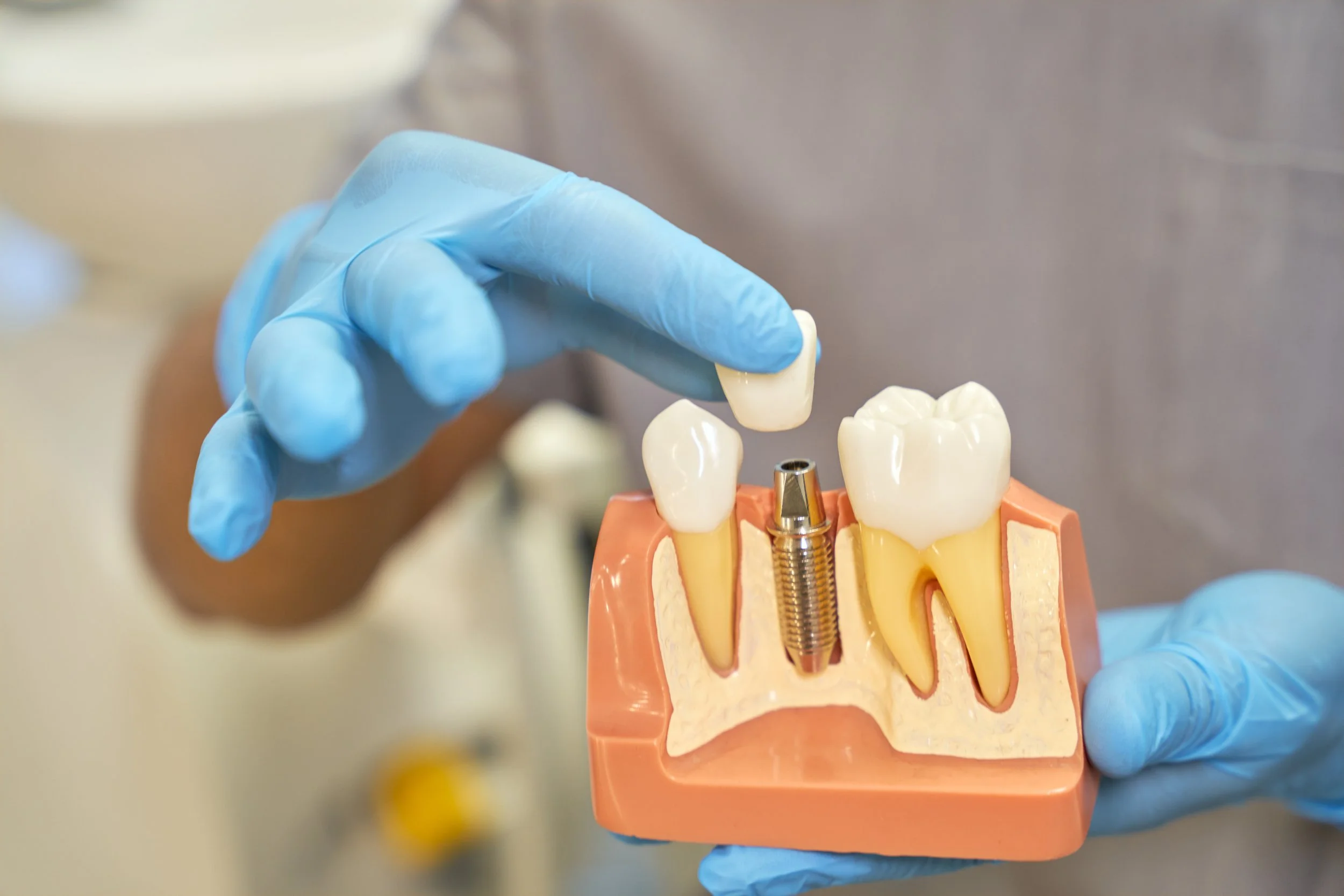
Dental implants are permanent replacement solutions used to replace missing teeth by anchoring artificial tooth structures directly into the jawbone, where they act as artificial tooth roots. Once integrated with the bone, they provide a stable base for supporting crowns, bridges, or dentures.
These implants are often chosen for their durability and ability to restore chewing strength and support facial structure. However, dental implants are not a single, one‑size‑fits‑all treatment. This is because factors like jawbone condition, number of missing teeth, and your oral health needs can influence the type of implant your dentist may recommend.
So, what are the different types of dental implants available in Singapore, and from endosteal to subperiosteal implants, how do you know which one might be suitable for you?
Common Types of Dental Implants and How They Work
Implants can also differ based on how they are placed in the jaw, the structure of the implant itself, and the techniques used to support restoration.
1. Endosteal Implants
Endosteal implants are placed into the jawbone to replace missing tooth roots. They are typically screw‑shaped or cylindrical and rely on existing bone structure to remain stable. Because they sit within the bone, sufficient jawbone volume and density are required before placement.
Typically Used for:
Replacing a single missing tooth with a crown
Supporting dental bridges for multiple missing teeth
Anchoring full dentures for complete arch restoration
Procedure: The procedure involves surgically positioning the implant into the jaw, followed by a healing phase where the bone gradually bonds to the implant surface. This process, known as osseointegration, takes place over several months and is essential for long‑term support. Once healing is complete, a crown, bridge, or denture can be attached to the implant.
Suitability: Endosteal implants are typically suitable for most patients, provided there is enough healthy jawbone to support the fixture.
2. Subperiosteal Implants
Subperiosteal implants are positioned differently from endosteal implants. Instead of being placed into the jawbone, they sit on top of the bone and beneath the gum tissue.
Typically Used for:
Supporting full-arch dentures in cases of low bone density
Situations where bone grafting is not ideal or feasible
Procedure: Rather than being embedded into the bone, the subperiosteal frame rests above it, with posts that emerge through the gums to hold a dental prosthesis. The placement typically involves a shorter treatment time, and the structure is tailored to fit the patient’s jaw anatomy.
Suitability: Alternative for patients with insufficient jawbone height or density, especially when bone grafting is not a preferred option.
3. Mini Dental Implants
Mini dental implants are typically used in cases where bone volume is limited or where space constraints prevent the use of conventional implants. Their smaller size also allows for placement using less invasive techniques.
Typically Used for:
Supporting removable dentures for improved stability
Replacing single teeth in tight spaces
Serving as temporary anchors during treatment with standard implants
Procedure: The implant is typically inserted using a minimally invasive approach.
Suitability: Ideal for patients with limited bone density or smaller jaw structures, and those who want a less complex treatment plan without undergoing grafting.
4. All-on-4 Implants
All-on-4 implants are designed for full-arch restoration using four implants per jaw. Two are placed vertically at the front, and two at an angle at the back to maximise available bone, reducing the need for bone grafting.
Typically Used for:
Individuals who are missing all teeth in the upper or lower jaw and want a fixed alternative to removable dentures
Procedure: Four implants are strategically placed to support a fixed bridge. A provisional prosthesis is often placed on the same day, with a permanent bridge fitted after the healing phase.
Suitability: Those who have lost all teeth in one arch and want a fixed, stable alternative to dentures, especially when jawbone loss is present but not severe.
5. Zygomatic Implants
Zygomatic implants are longer-than-standard implants that are anchored into the cheekbone (zygoma) instead of the upper jawbone.
Typically Used for:
Severe maxillary bone loss, especially in cases where bone grafting is not viable or preferred.
Procedure: The implant is inserted at an angle through the upper jaw into the zygomatic bone. Due to the complexity of the placement, the procedure is performed by a specialist.
Suitability: Recommended for patients with severely resorbed upper jaws who want a fixed solution but lack adequate bone for traditional or All-on-4 implants.
6. Immediate Load Implants
Also known as same-day implants, immediate load implants allow a temporary prosthetic to be attached on the day of surgery.
Typically Used for:
Patients with good bone quality who require a faster solution for tooth replacement
Individuals who want to avoid going without teeth during the healing phase
Procedure: Implants are placed, and a provisional crown or bridge is secured immediately. The final prosthetic is attached after osseointegration is complete.
Suitability: Suitable for patients with strong bone density and stable implant insertion. Often chosen for aesthetic zones or when immediate restoration is a priority.
7. Implant-Supported Dentures
Implant-supported dentures combine the coverage of traditional dentures with the stability of implants. Unlike traditional removable dentures, these are secured to implants and can be fixed or removable depending on the attachment system used.
Typically Used for:
Replacing a full arch of missing teeth with two or more implants to secure a denture
Procedure: Implants are placed into the jaw, and once healed, the denture is clipped or fixed onto the implants.
Suitability: Ideal for denture wearers seeking retention and comfort. Recommended for those who want to prevent slipping, sore spots, or speech issues associated with loose dentures.
Additional Surgical Procedures to Support Implant Placement
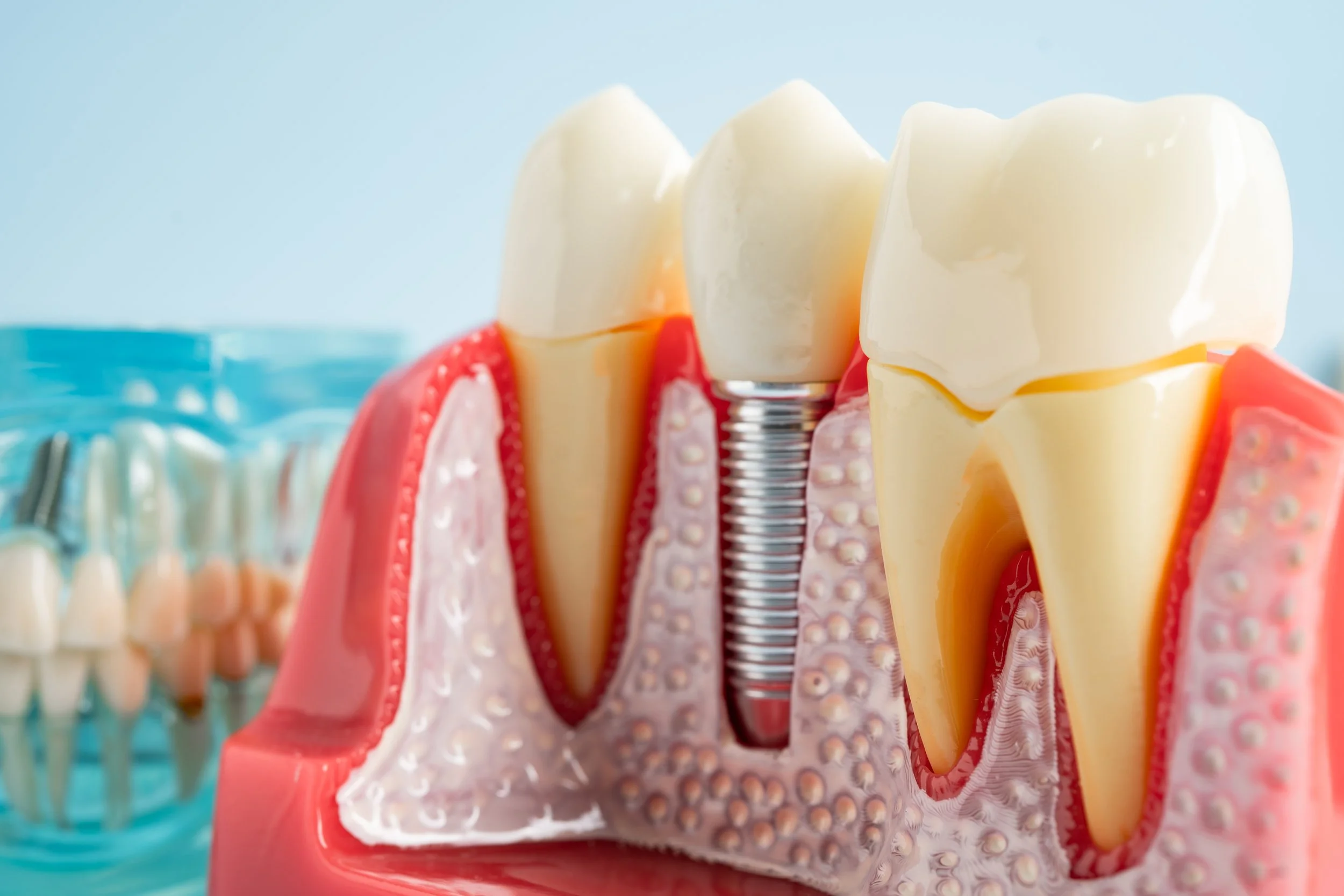
It is also important to note that not all patients will have sufficient jawbone or sinus clearance to support implants right away. In such cases, additional procedures may be recommended before or during dental implant surgery to create a stable foundation for long-term results.
Some of the commonly performed procedures include:
Bone Grafting / Augmentation: This involves adding bone material to areas where the jawbone is too thin or soft to hold an implant securely. Bone grafts may be taken from your own body, a donor source, or made from synthetic materials, and are often placed at the time of extraction or as a separate procedure before implant placement.
Sinus Lift (Sinus Augmentation): For implants placed in the upper back jaw, especially near the molars and premolars, a sinus lift may be needed to create enough vertical space.
Ridge Expansion / Ridge Modification: If the jaw ridge is too narrow to accommodate an implant, a ridge expansion procedure may be used. This involves widening the bone to ensure there's enough width to place the implant securely.
Choosing the Right Dental Implant for Your Needs
From the above, it is clear that there is no single "best" type of dental implant for everyone. The most appropriate option depends on your oral condition, preferences, and what your dentist observes during the dental assessment. This is why the planning stage is critical and often begins with imaging, such as dental X-rays or 3D cone beam CT scans, to evaluate your bone density, tooth gaps, and gum health.
Some of the key factors that shape implant recommendations include:
The number of teeth you're replacing
The size and location of gaps in the mouth
Jawbone quality and volume
Presence of gum disease or bone loss
Your budget and long-term expectations
Whether you prefer a fixed or removable option
Consult Your Dentist
Your dentist will also consider how each option fits with your lifestyle. For example, if you want a full set of teeth without needing bone grafting, an All-on-4 system might be proposed. If you're restoring just one gap and the bone is healthy, a single tooth implant may be enough.
To make an informed decision, book a dental consultation to explore your options. A personalised treatment plan will help determine the most suitable implant type and timeline for your dental implant surgery.