
Teeth Whitening in Singapore: What Is Safe, What Works, & 8 Common Myths Addressed (2026)
By Dr Nicholas Chang · Sincere Dental Jurong East · 8 min read
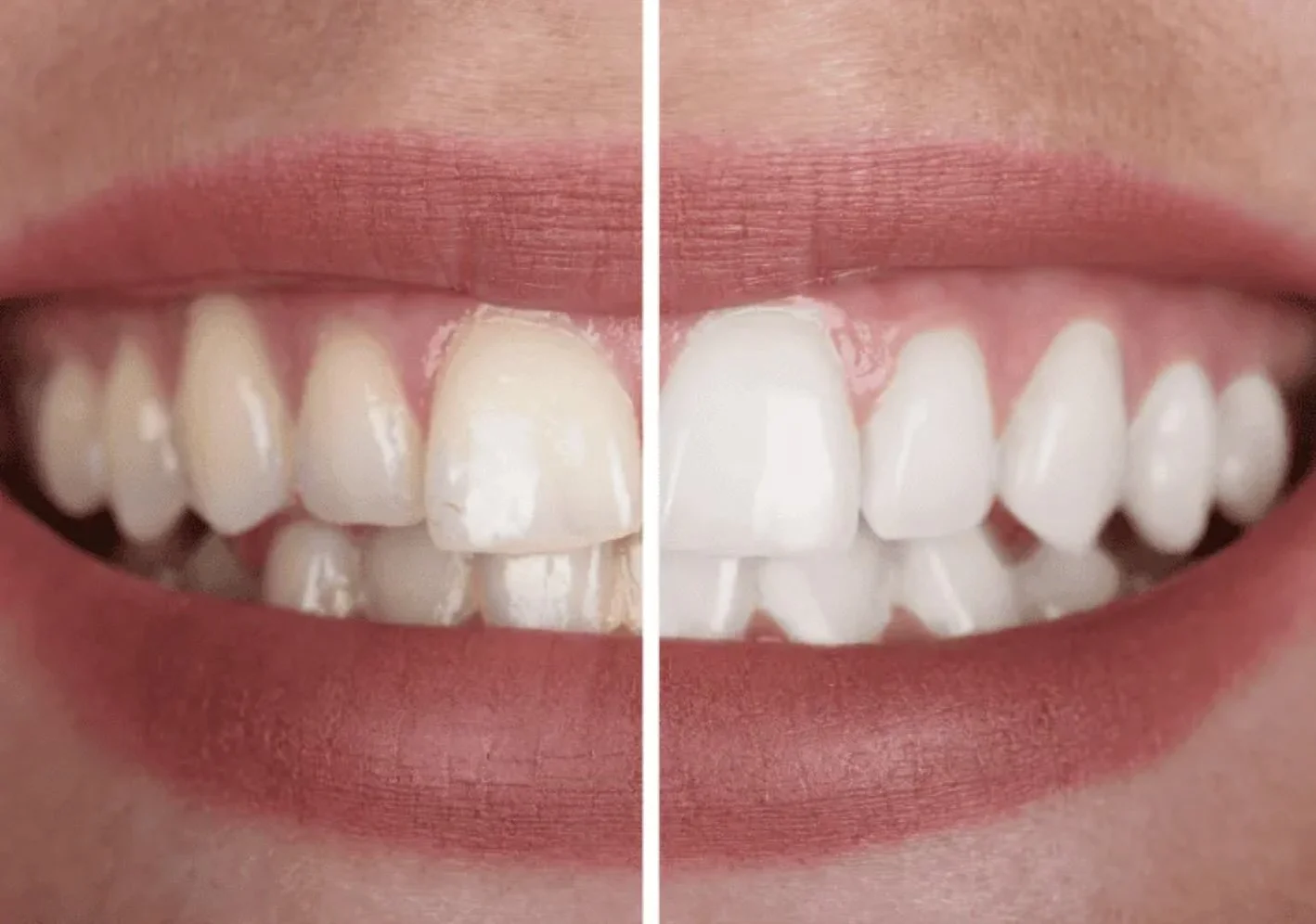
Professional teeth whitening procedure at dental clinic Singapore
Teeth whitening is one of the most enquired-about cosmetic dental treatments in Singapore. It is also one of the most misunderstood. Patients arrive at Sincere Dental with questions ranging from safety concerns to questions about effectiveness, and uncertainty about which products are regulated in Singapore. This article by Dr Nicholas Chang addresses the most common questions about teeth whitening — factually and without overpromising outcomes.
How Does Professional Teeth Whitening Work?
Dental whitening agents — typically hydrogen peroxide or carbamide peroxide — penetrate the enamel to reach the dentin layer beneath, where staining compounds accumulate over time. The chemical reaction breaks down these staining molecules, lightening the overall tooth shade. The concentration of whitening agent, application time, and number of sessions determine the degree of shade change achieved. In Singapore, the Health Sciences Authority (HSA) regulates the maximum concentration of whitening agents permitted in dental products.
What Causes Yellow Teeth? Understanding Tooth Discolouration
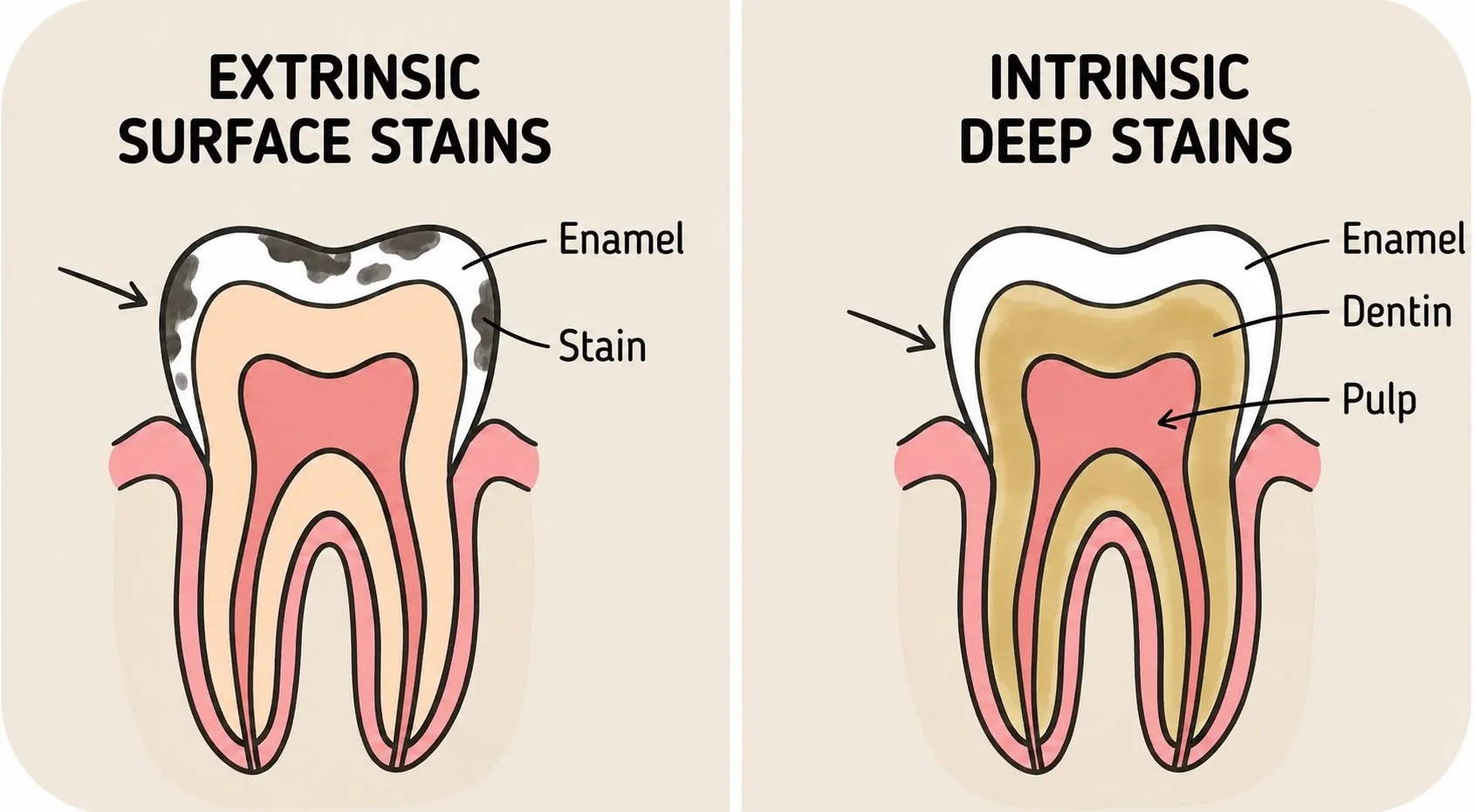
Before discussing how whitening works, it helps to understand why teeth discolour in the first place — because not all yellow or stained teeth respond to whitening in the same way. Tooth discolouration is broadly classified into two types: extrinsic staining (on the outer surface of the tooth) and intrinsic discolouration (originating from within the tooth structure itself). Understanding which type you have is the first step to knowing whether whitening is appropriate, and what realistic outcomes to expect.
Extrinsic Tooth Stains: Surface Discolouration
Extrinsic stains develop on the outer enamel surface of the tooth when pigmented compounds from food, drinks, and other sources adhere to the pellicle — the thin protein film that naturally coats your teeth. Over time, these compounds penetrate the enamel pores and cause visible discolouration. Extrinsic staining is the most common cause of yellow or brown teeth in adults and is generally the most responsive to professional whitening treatment.
Common Dietary and Lifestyle Causes of Extrinsic Staining
The most common dietary and lifestyle causes include:
Coffee and kopi — tannins and chromogens bind readily to enamel; one of the most common causes of tooth staining in Singapore
Tea (especially black tea and teh tarik) — higher tannin content than coffee; a leading staining factor in the local diet
Soy sauce and dark gravies — deeply pigmented and consumed frequently in Singapore cuisine
Curry and turmeric — curcumin is a potent yellow pigment that stains enamel readily
Red wine — tannins, chromogens, and acidity combine to deeply discolour teeth
Soft drinks and sports drinks — acidity erodes enamel while dark colas add additional pigment
Smoking and tobacco — tar and nicotine cause stubborn yellow-brown staining that often requires multiple whitening sessions
Poor oral hygiene — plaque and tartar accumulation on tooth surfaces causes yellowing independent of diet; professional scaling and polishing is required before any whitening treatment
Intrinsic Discolouration: Staining From Within the Tooth
Intrinsic discolouration originates inside the tooth — within the dentin layer beneath the enamel — and does not respond to surface cleaning or standard whitening in the same way. Common causes include:
Ageing — enamel gradually thins with normal wear over the years, making the naturally yellow dentin layer beneath more visible; this is the most common reason adults over 40 notice progressive yellowing despite good oral hygiene
Tetracycline antibiotics — taken during childhood or by the mother during pregnancy, these can cause grey or brown banding within the tooth structure; this type of staining responds poorly to whitening and may require veneers
Dental fluorosis — excessive fluoride during tooth development causes white spots or brown mottling; mild cases may respond partially to whitening
Dental trauma — an injured tooth may darken over time as the internal pulp breaks down; a darkened tooth after trauma requires clinical assessment before any cosmetic treatment
Certain medications — antihistamines, antihypertensives, and some antipsychotic medications have been associated with tooth discolouration as a side effect
Can Yellow Teeth Become White Again?
Whether and to what degree yellow teeth can be whitened depends entirely on the cause:
Extrinsic staining (diet, coffee, tea, tobacco) — generally responds well to professional whitening
Age-related yellowing — whitening can lighten the dentin shade but cannot restore enamel thickness; veneers may be considered for more significant age-related colour change
Tetracycline staining — limited response to whitening; porcelain veneers or crowns are typically more appropriate
Trauma-related darkening — requires clinical assessment first; root canal treatment with internal bleaching or a crown may be indicated
Fluorosis — mild cases may respond partially; moderate to severe cases are better addressed with alternative cosmetic options
This is why a dental consultation before whitening is clinically important — not a formality. Your dentist will identify the type and cause of your tooth discolouration and recommend the most appropriate treatment. Applying whitening gel without this assessment risks poor outcomes, unnecessary sensitivity, and treating the wrong problem.
In-Office Whitening vs Dentist-Prescribed Take-Home Kits
| Factors | In-Office Whitening | Take Home Whitening (Dentist Prescribed) |
|---|---|---|
| Duration | 60 mins | Use nightly for 1-2 weeks |
| Number of Shade Change | 5 - 7 | 2 - 4 |
| Supervision | Dentist-supervised throughout | Self-applied at home per dentist instructions |
| Sensitivity | Some patients experience transient sensitivity | Generally milder sensitivity |
| Costs | $649 | $399 |
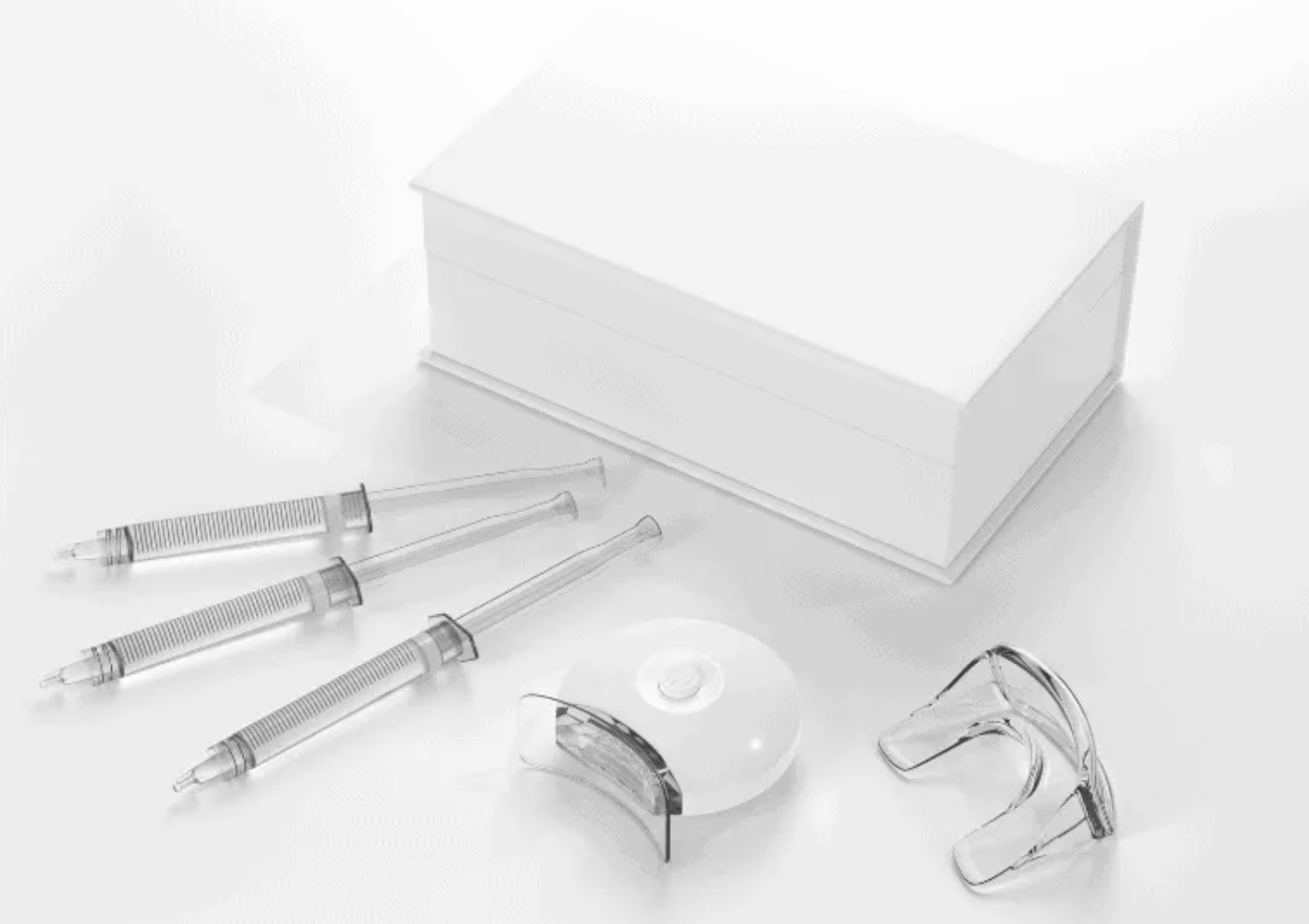
Take Home Whitening Kit - Prescribed by Dentist
8 Common Questions About Teeth Whitening (FAQ)— Answered
-
When performed at regulated concentrations under dental supervision, teeth whitening does not remove or thin enamel. The whitening agent opens the enamel pores temporarily to access the dentin, then the tooth remineralises. Multiple peer-reviewed studies confirm no clinically significant enamel damage from professionally supervised whitening at standard concentrations.
-
Whitening toothpastes remove surface stains through mild abrasive action but cannot change the intrinsic shade of your teeth. Professional whitening works chemically on both surface and deeper staining. The two approaches produce different outcomes and are not equivalent.
-
Teeth whitening results are not permanent. Dietary staining from coffee, tea, red wine, and soy sauce, as well as natural ageing, will gradually affect tooth colour over time. Results typically last 6 months to 12 months depending on dietary habits. Periodic maintenance with a take-home kit can help maintain results longer.
-
No. Whitening agents only affect natural tooth structure. Porcelain, composite resin, and ceramic restorations do not respond to whitening. If you have visible crowns, veneers, or fillings, whitening the natural teeth around them may create a visible colour difference. Your dentist will discuss this during the consultation.
-
Transient tooth sensitivity is a common and expected side effect of whitening, occurring because the whitening agent temporarily affects the dentinal tubules. This usually resolves within 24–48 hours after treatment. Patients with pre-existing sensitivity should inform their dentist before proceeding — the treatment protocol can be adjusted accordingly.
-
Teeth whitening is generally not recommended for: pregnant or breastfeeding patients; patients under 16 years of age; those with untreated active cavities or gum disease; patients with severe or intrinsic discolouration (e.g. from tetracycline antibiotics or fluorosis); or those with extensive restorations on visible front teeth. Your dentist will screen for these at the consultation.
-
Charcoal toothpastes are abrasive and remove surface staining, but clinical evidence does not support any whitening effect on intrinsic tooth colour. Some formulations may, with regular use, cause enamel abrasion over time. Dental regulatory bodies including the British Dental Journal have noted the absence of evidence for whitening efficacy in charcoal dental products.
-
In Singapore, the HSA regulates whitening products available to consumers. Products sold by dentists must meet specific concentration limits. Products purchased online or from overseas may contain unregulated concentrations of hydrogen peroxide or other compounds. If you are considering whitening, purchasing products through a dental clinic ensures you are using HSA-compliant formulations.
Book a Teeth Whitening Consultation
Our dentist will assess your teeth and recommend the most appropriate whitening option for your situation.
📍 135 Jurong Gateway Road #01-321, Singapore 600135 · 5 min from Jurong East MRT
Tel: +65 6980 8729 · Whatsapp: +65 8774 8973 · hello@sinceredental.sg